From Whitepaper to Public Launch: Building a Regional Digital Tourism Ecosystem
From Whitepaper to Public Launch: Building a Regional Digital Tourism Ecosystem
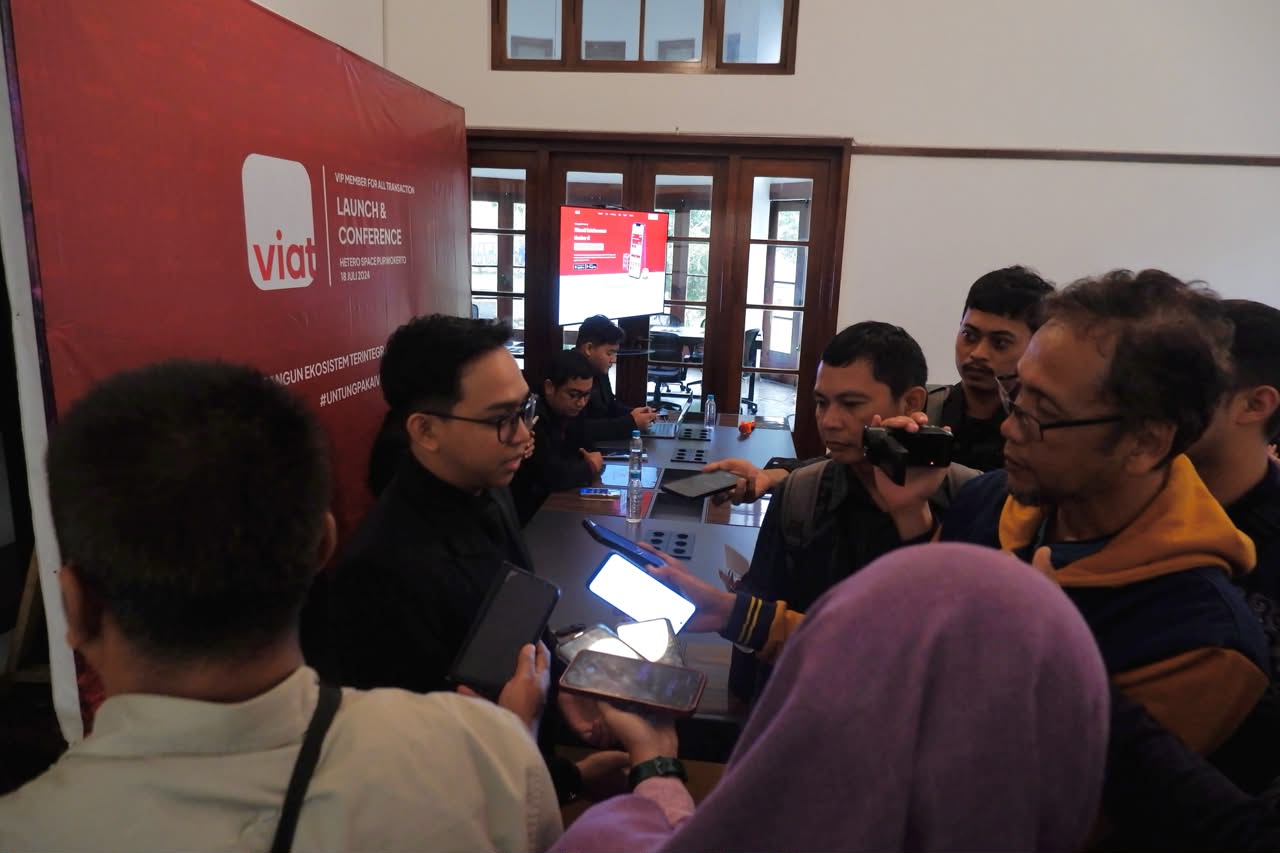
In July 2024, our team stood on the stage at Hetero Space Purwokerto to officially unveil VIAT to destination authorities, hospitality leaders, merchants, and national media reporters. The public launch resulted in over 1,000 early Google Play downloads and widespread press coverage across 9+ publishers including ANTARA News, iNews, and Tribun Network.
Behind the launch ceremony lay months of intensive product strategy, cross-sector ecosystem negotiations, and complex software engineering. Building a multi-sided marketplace outside major metropolitan hubs presents unique architectural and organizational challenges that traditional tech playbooks rarely prepare you for.
1. The Multi-Sided Marketplace Dilemma
Tourism in regional destinations like Banyumas is inherently fragmented. Major nature attractions (such as Lokawisata Baturraden) operate under regional public management (BLUD UPT); hotels and resorts have their own proprietary booking channels; while local culinary merchants and souvenir shops operate almost entirely with cash or basic static QR codes.
VIAT was conceived not as an isolated consumer app, but as a digital connecting tissue:
- For Travelers: A single membership gateway offering verified destination discovery, unified digital ticketing, and exclusive discount vouchers.
- For Local Merchants: A zero-hardware loyalty and voucher redemption engine driving tourist foot traffic directly to regional MSMEs.
- For Destination Operators: Real-time visitor demographic insights and digital gate pass verification.
2. Engineering for High-Variance Traffic & Highland Connectivity
Designing mobile applications for tourism requires accounting for difficult network conditions. Tourists visiting mountain waterfalls, forest trails, or rural attractions frequently encounter poor cellular signal.
To ensure that travelers could always present their purchased vouchers and digital tickets at entrance checkpoints, the VIAT mobile architecture implemented cryptographically verifiable offline tokens. Once generated, membership passes and tickets remained verifiable on-device even in zero-reception zones, utilizing time-based rotating QR tokens that gate staff could scan offline.
3. Aligning Public and Private Stakeholders
The hardest challenge in building civic and regional technology is rarely technical — it is organizational alignment. Engaging government agencies (like Dinkominfo and BLUD), nature conservation bodies (like PT Palawi Risorsis), and independent hotel associations required translating software features into distinct value propositions for each entity.
For government stakeholders, the emphasis was on tourism promotion and regional digitalization data. For private hotel operators, the focus was on occupancy uplift during weekdays. For local culinary vendors, the priority was immediate, low-barrier payment and foot-traffic acquisition.
Retrospective Lessons
Taking VIAT from an initial concept whitepaper through public launch taught our team profound lessons about building products that touch the real world. A product launch is merely the beginning of the operational marathon. True technical craftsmanship lies in the ability to understand human ecosystems, negotiate complex partner incentives, and write software resilient enough to withstand the friction of everyday usage.