Designing Low-Barrier Financial Software for Grassroots Literacy
Designing Low-Barrier Financial Software for Grassroots Literacy
Most accounting and bookkeeping software is engineered by accountants for accountants. They arrive loaded with double-entry ledgers, charts of accounts, journal entries, balance sheets, and depreciation schedules. For certified financial officers, these tools are indispensable. But for micro-business owners, market traders, and everyday households, they represent a daunting wall of cognitive friction.
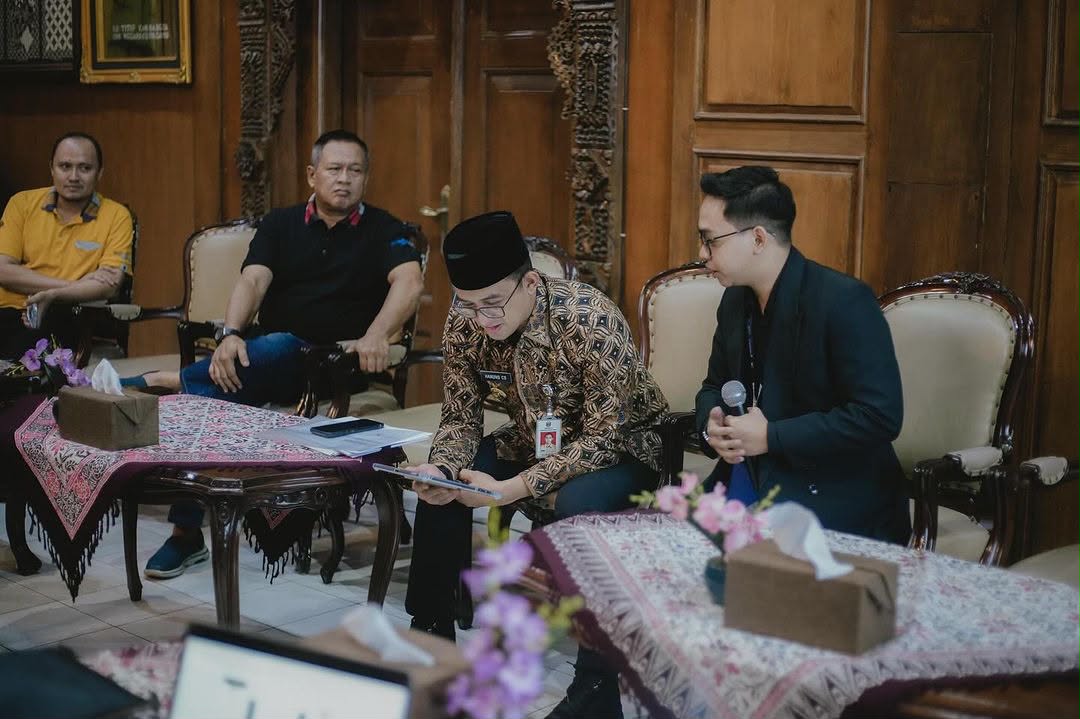
When developing Catatmak, and subsequently presenting the platform to the Acting Regent (Pj Bupati) of Banyumas and delivering hands-on financial recording workshops at Banyumas Naik Kelas #BisaBersamaVisa (in collaboration with BenihBaik.com and Visa), one clear reality became apparent: financial literacy is not hindered by a lack of software, but by software that demands too much upfront literacy to use.
1. The Psychology of Recording Abandonment
Field research among traditional market sellers and micro-enterprises reveals a consistent pattern: a shop owner downloads a popular bookkeeping app, attempts to set up initial balances, gets confused by terminology like "Accounts Receivable" or "Contra Asset," makes three entries, and permanently abandons the app within 72 hours.
Every required field is a barrier. Every unfamiliar term is an invitation to quit. If recording a 15,000 IDR transaction takes more than 5 seconds, it will not happen during a busy afternoon market rush.
2. Core Design Principles of Low-Barrier Software
To break this cycle, Catatmak was built around radically simpler interaction paradigms:
- Sub-Five-Second Ingestion: The primary interface consists of a single large input pad and two primary buttons: [Uang Masuk] and [Uang Keluar]. No mandatory category dropdowns, no invoice numbers, no customer profiles. Type amount, tap save, done.
- Progressive Categorization: Categorization is optional and contextual. Users can tag an entry with a single tap if they wish, or leave it untagged. The software learns recurring patterns and offers intelligent one-tap suggestions over time.
- Plain-Language Financial Health: Financial statements are translated from rigid accounting terminology into actionable everyday insights: "Uang yang bisa kamu pakai hari ini", "Pemasukan minggu ini vs minggu lalu", and "Pengeluaran terbesar bulan ini".
- Offline-First Architecture: Street vendors and kiosk owners operate in locations with volatile cellular signals. All records are committed instantly to local device storage, syncing transparently in the background when connectivity returns.
3. Technology as a Bridge, Not a Barrier
Software alone does not create financial habits. Standing in front of local entrepreneurs during public workshops demonstrated that digital tools are most powerful when paired with empathetic education. By demystifying cash flow tracking and making software feel approachable, technology transforms from an intimidating administrative chore into a source of everyday empowerment.